
Shift of Online Casinos to VR: Challenges and Obstacles
The 21st century has witnessed a radical transformation of the online gambling industry through the emergence of virtual reality. VR online casinos offer interactive and immersive experiences that rival traditional establishments. Technological advancements, such as VR headsets, allow players to explore digital environments in real time. However, despite progress, the true impact of VR remains difficult to measure. This article examines the challenges online casinos face in transitioning to VR.
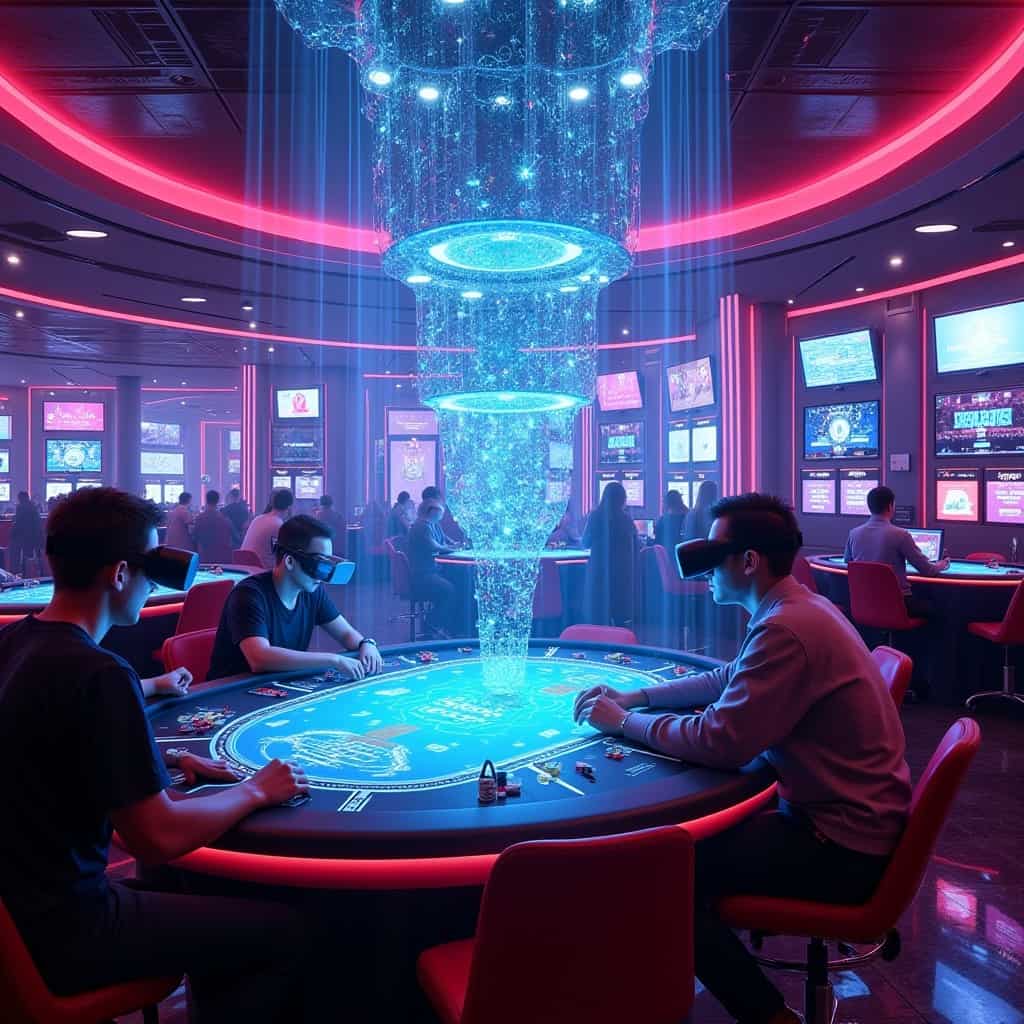
Redefining Gaming in the Era of Total Immersion
Virtual casinos, though in their infancy, feature fascinating elements revolutionizing online gaming. Beyond realistic slots and 3D tables, they add social dimensions like live chats and virtual bars where players can share cocktails. Despite limited adoption of VR gambling, physical casinos already invest in this technology to stay competitive.
Additionally, initially basic online casinos have innovated to attract players. Beyond traditional bonuses, they’ve adopted live games streamed from real tables. However, the true revolution lies in VR, promising deeper immersion and exceptional gameplay. This technology enables chatting, multi-table betting, and interaction with dealers, marking the next step toward ultra-realism.
Technical and Logistical Challenges
VR adoption in online casinos faces significant hurdles. First, the required equipment (VR headsets, controllers) is costly, limiting access to players willing to invest. Second, high-speed internet is essential. Potential side effects like nausea or headaches necessitate usage time limits. For operators, VR integration demands compatible software development, staff training, and data security. Additionally, diverse player expectations (based on culture and profile) require varied game themes and mechanics. Thus, transitioning to VR involves technical, logistical, and adaptation challenges.
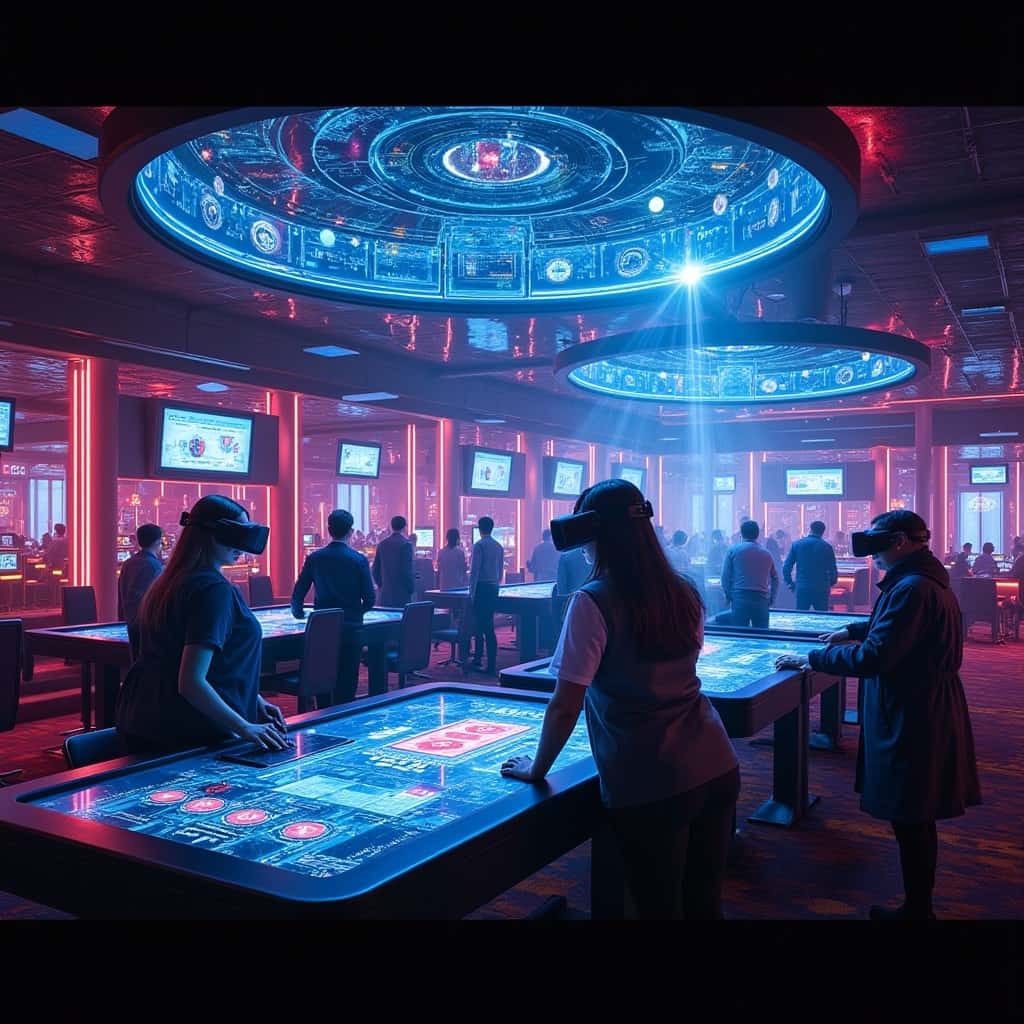
Key Benefits of VR for Online Casinos
By creating 3D environments, VR enables total immersion, mimicking physical casino presence. Players can choose tables, interact with others, and feel the thrill of gambling. Personalization is another advantage: users customize themes, music, and even “weather” in virtual spaces. VR also offers original scenarios — like roulette on the Moon or poker in a Wild West saloon. These unique features enhance immersion, interaction, and customization, fostering player loyalty and unforgettable experiences.